SBP score
66
Δ 19
85
Side-by-side comparison
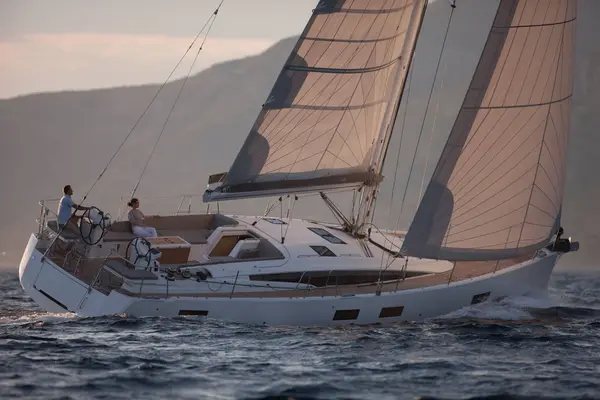
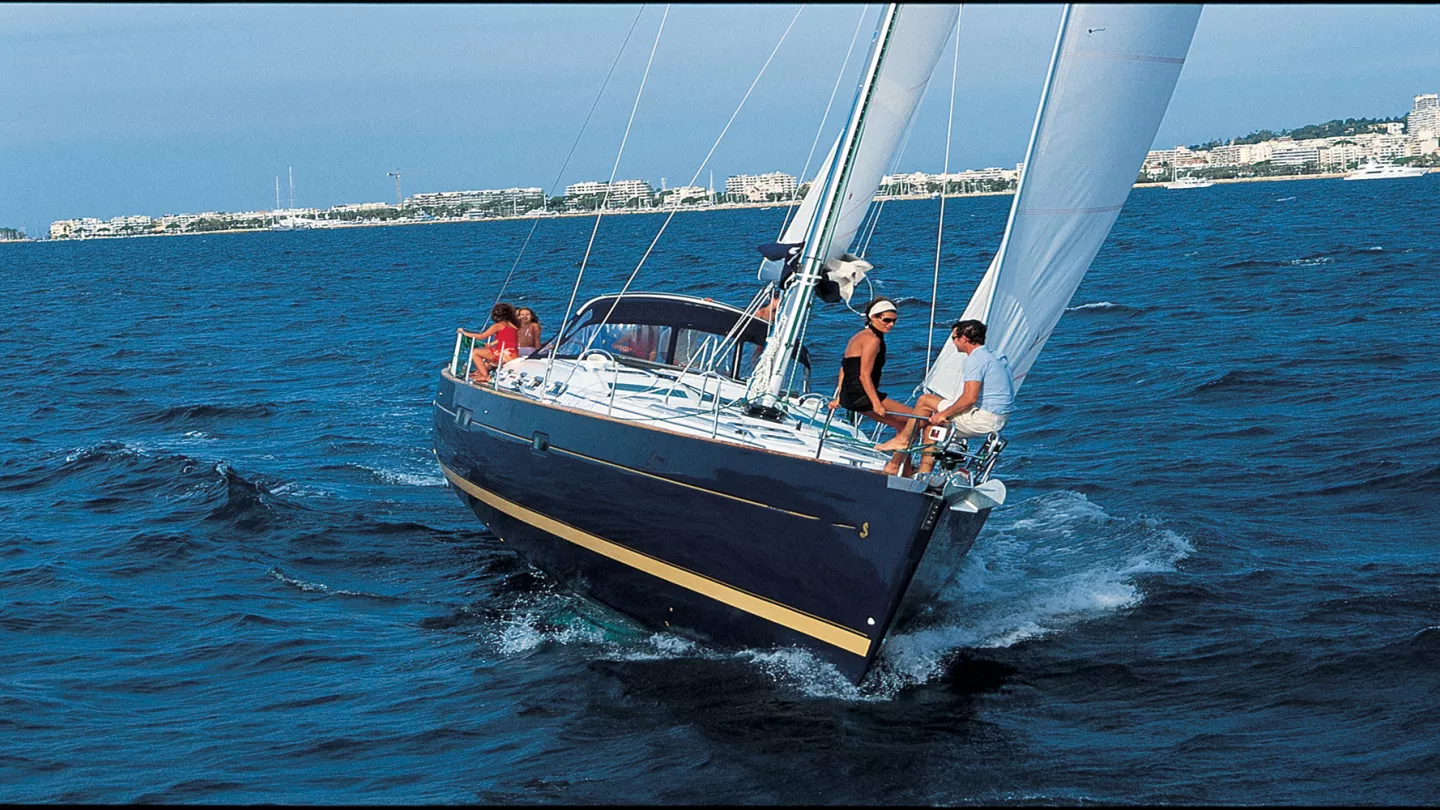
Two performance cruisers of similar size (16.16 m and 16.2 m long), compared on size, sail plan and estimated speed.
SBP compares estimated performance for a boat's length. 100 is the length-based average; it is not an overall quality rating.
SBP score
Hull speed (kn)
Upwind sail area (m²)
| Wind speed | Jeanneau Yachts 54 faster at | Oceanis Clipper 523 faster at | Biggest gap |
|---|---|---|---|
| 6 kn | — | 52°, 60°, 75°, 90°, 110°, 120°, 135°, 150° | 0.5 kn for Oceanis Clipper 523 at 75° |
| 8 kn | — | 52°, 60°, 75°, 90°, 110°, 120°, 135°, 150° | 0.49 kn for Oceanis Clipper 523 at 75° |
| 10 kn | — | 52°, 60°, 75°, 90°, 110°, 120°, 135°, 150° | 0.46 kn for Oceanis Clipper 523 at 75° |
| 12 kn | 120°, 135°, 150° | 52°, 60°, 75°, 90°, 110° | 0.35 kn for Oceanis Clipper 523 at 52° |
| 14 kn | 110°, 120°, 135°, 150° | 52°, 60°, 75°, 90° | 0.18 kn for Oceanis Clipper 523 at 90° |
| 16 kn | 52°, 120°, 135°, 150° | 60°, 75°, 90°, 110° | 0.2 kn for Oceanis Clipper 523 at 90° |
| 20 kn | 52°, 60°, 75°, 135°, 150° | 90°, 110°, 120° | 0.12 kn for Oceanis Clipper 523 at 90° |
Speeds are model estimates, not measured results. Not a passage forecast.
Selection and wind are saved only in this browser. Private/custom configurations are local copies, not synced records.
| Model | Jeanneau Yachts 54 | Oceanis Clipper 523 |
|---|---|---|
| Manufacturer | Jeanneau | Beneteau |
SBP Score (100 = length average) | 66 | 85 |
| Performance Metrics | ||
Estimated GPH (s/nm) | 610 | 557 |
| Yardstick | 77.4 | 82.2 |
| Sail Carry Ratio | 4.10 | 4.90 |
| Dimensions | ||
| Length | 16.2 m | 16.2 m |
| Length at Waterline | 14.3 mPublished | 13.5 mEstimated from length overall |
| Displacement | 17,164 kgLightship (empty boat) | 15,800 kgLoad condition not stated |
| Upwind Sail Area | 111 m² | 149 m² |
| Hull Speed | 9.2 kn | 8.9 kn |
| Screening Ratios | ||
| Capsize screening (CSF)Screening ratio, not a safety verdict | 1.93 | 1.96 |
Boat speed at 6 kn true wind
At 6 kn true wind, compare each boat with Jeanneau Yachts 54, the first boat in your selection.
True wind angle · boat speed
Recorded samples only. A missing point stays unavailable; no interpolation or extrapolation is used. Angle selection applies to this view only.
Main: 48.0 m² · Headsail: 63.0 m²
Downwind sail: 197.0 m²
Published · Lightship (empty boat)
Main: 67.0 m² · Headsail: 82.0 m²
Downwind sail: 191.0 m²
Estimated from length overall · Load condition not stated
Speed and VMG answer different questions. Boat speed follows the selected angle on the polar. Beat/run VMG estimate progress towards or away from the wind, across tacks or gybes. They are separate model outputs, not the speed or projected progress at your selected angle.
SBP is a separate length-relative index. 100 = length average. It does not change with these wind/angle controls, and a higher SBP need not mean more speed at this condition.
Read small differences cautiously. Their real-world significance is unknown. These estimates do not establish safety, comfort, handling, or passage time. Missing downwind area is entered as zero in new calculations; a recorded zero does not prove the boat carries no downwind sail. Stored estimates may use different inputs or model versions.